










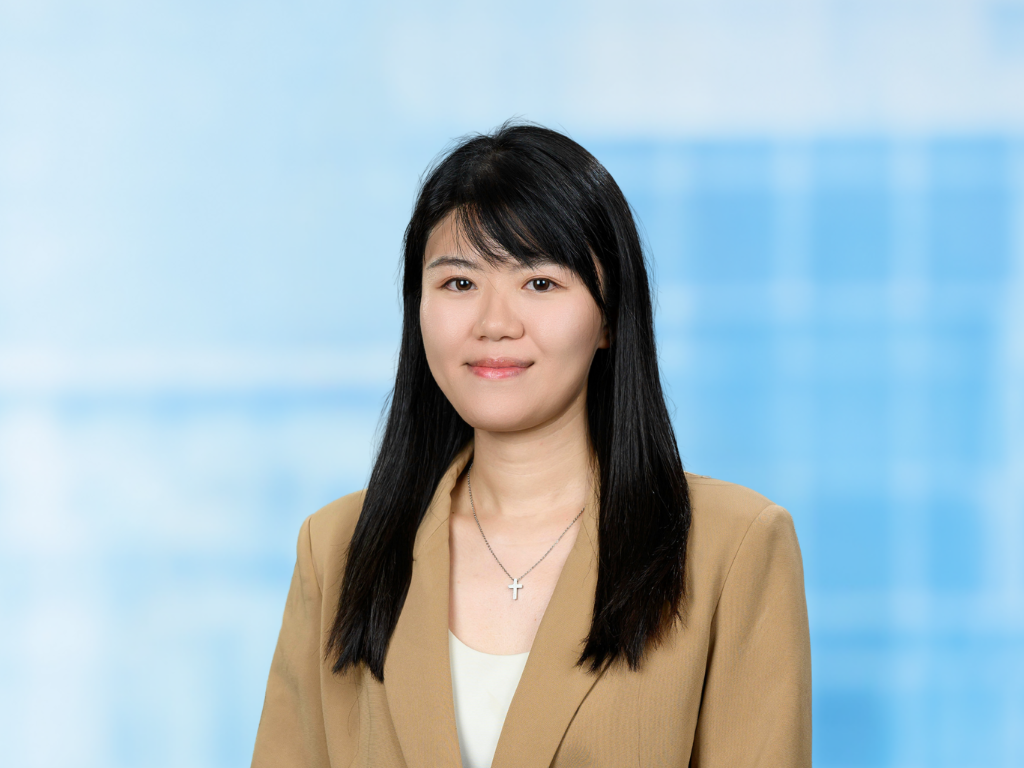
Some of the most challenging problems in engineering cannot be solved by technical expertise alone. As a Chartered Civil Engineer, Ashley Cheng (HKUST Part-time Weekly MBA, Intake 2025) has led projects spanning contract management, engineering design, site supervision, and carbon management. Yet as her responsibilities expanded, she realised that the toughest challenges were rarely technical.
While engineering had equipped her to analyse problems and develop solutions, she realised leadership required a broader understanding of business, strategy and people when there is no ‘perfect answer’. That insight led her to pursue the HKUST MBA.
The most difficult challenges in engineering projects were often not purely technical, Ashley reflected. They were about managing stakeholders, aligning different team perspectives, meeting client expectations and making business decisions in uncertain circumstances.
With a career path focused on moving into senior management, she recognized the precise areas where she needed to grow to achieve her goals.
To progress into senior management and leadership roles in the future, I needed a broader understanding of business strategy, finance and organisational management, she said.
Designing a Broader Leadership Toolkit
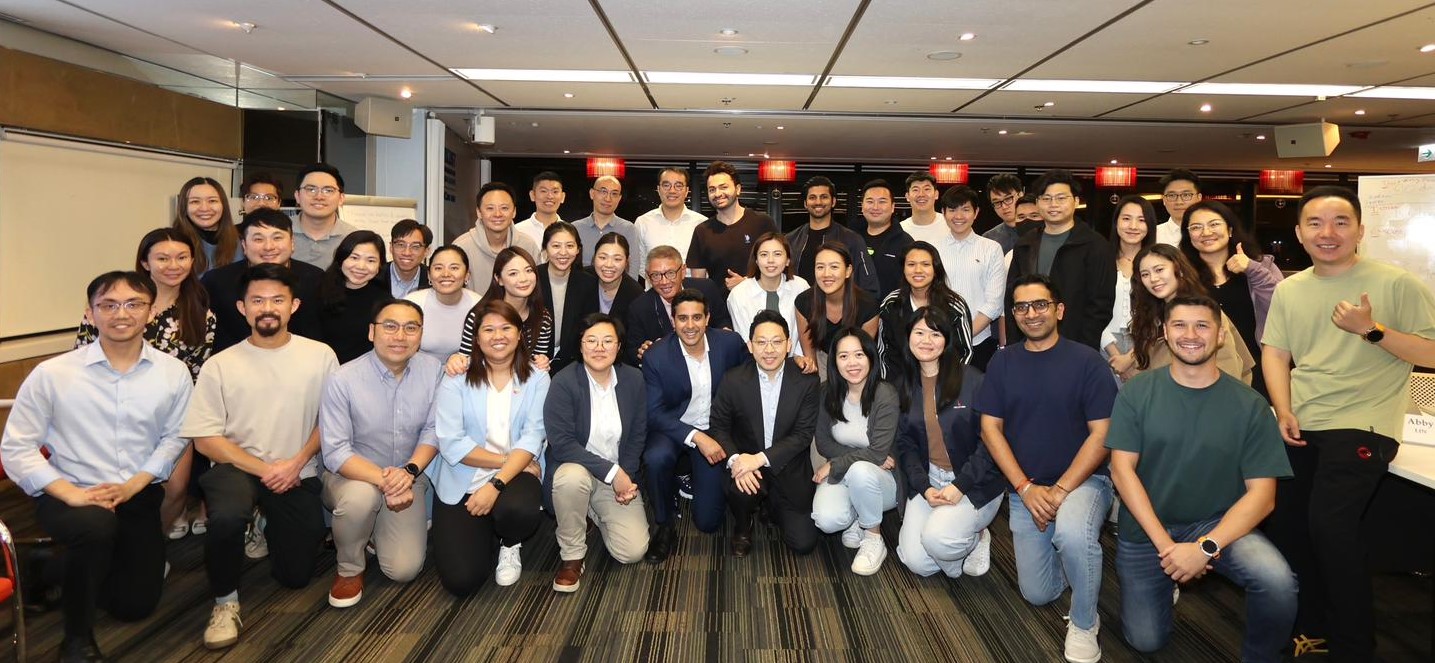
To prepare for future leadership roles, Ashley viewed the MBA not simply as a business degree, but as an opportunity to build a broader leadership skill set.
During her studies, she actively sought opportunities to broaden her perspective and strengthen her leadership capabilities. Through the Global Network for Advanced Management, she joined Yale School of Management's ‘Natural Capital and Business’ online course, gaining exposure to diverse global perspectives on sustainability, resilience, and long-term value creation.
Equally impactful was learning from HKUST MBA faculty with extensive industry experience. One course that particularly stood out was ‘Developing into an Effective CEO’, taught by former Hongkong and Shanghai Hotels CEO, Mr Clement Kwok. Through boardroom simulations and real business cases, Ashley developed a deeper understanding of strategic decision-making, stakeholder management, and leading through uncertainty.
These experiences reinforced her belief that, while AI is transforming industries and automating many technical and analytical tasks, human judgment, empathy, and leadership will become even more valuable.
As AI advances, the ability to combine expertise with strategic thinking, empathy, and leadership will become an even greater differentiator. That is the enduring value of an MBA. Regardless of industry or profession, it equips individuals with the leadership capabilities needed to navigate complexity and shape the future with confidence, she said.
From Quiet Contributor to Confident Leader
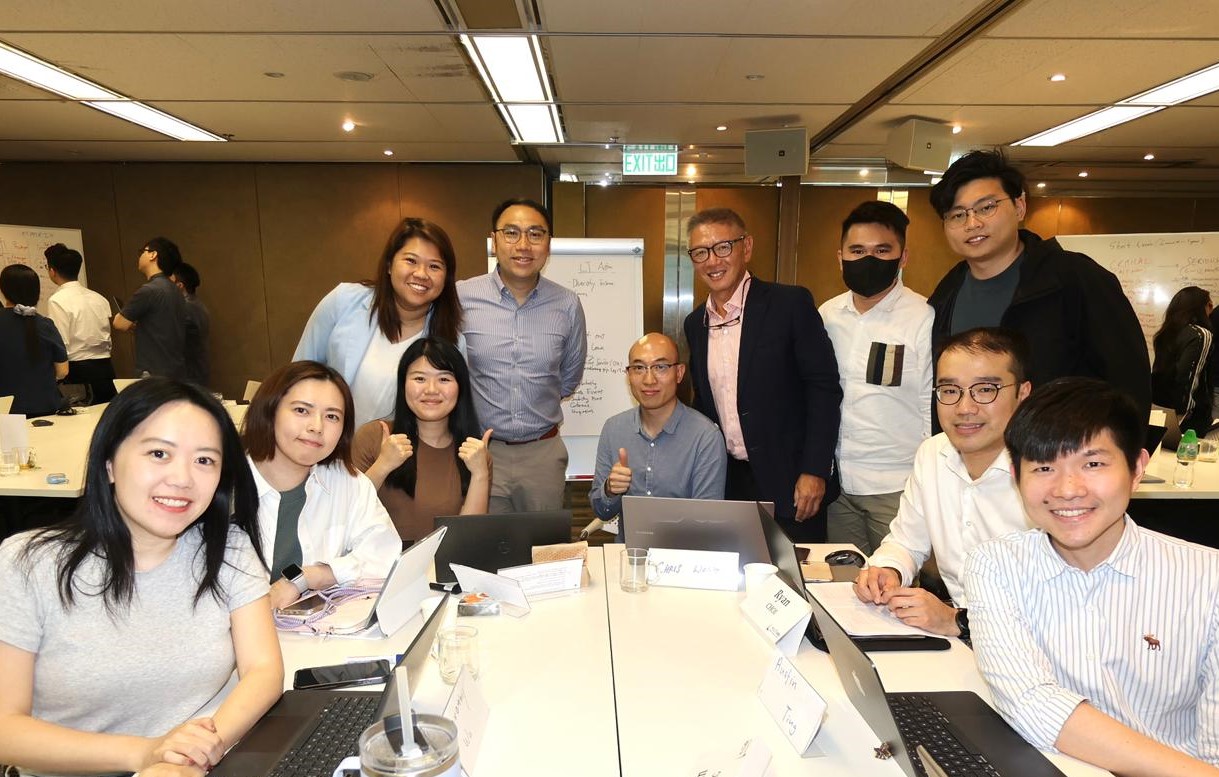
Having spent much of her career working behind the scenes, she was more comfortable analysing problems than voicing opinions. The MBA challenged that instinct. In classrooms where there were rarely right answers, she learned to articulate her views, defend her ideas, and trust the value of her perspective.
The MBA not only made me a better communicator, but also helped me build confidence, she said. Some classmates even told me my perspective had given them new insights.
That confidence proved invaluable, helping Ashley develop a leadership style grounded in collaboration, thoughtful decision-making, and trust.
A Mindset That Extends Beyond the Classroom
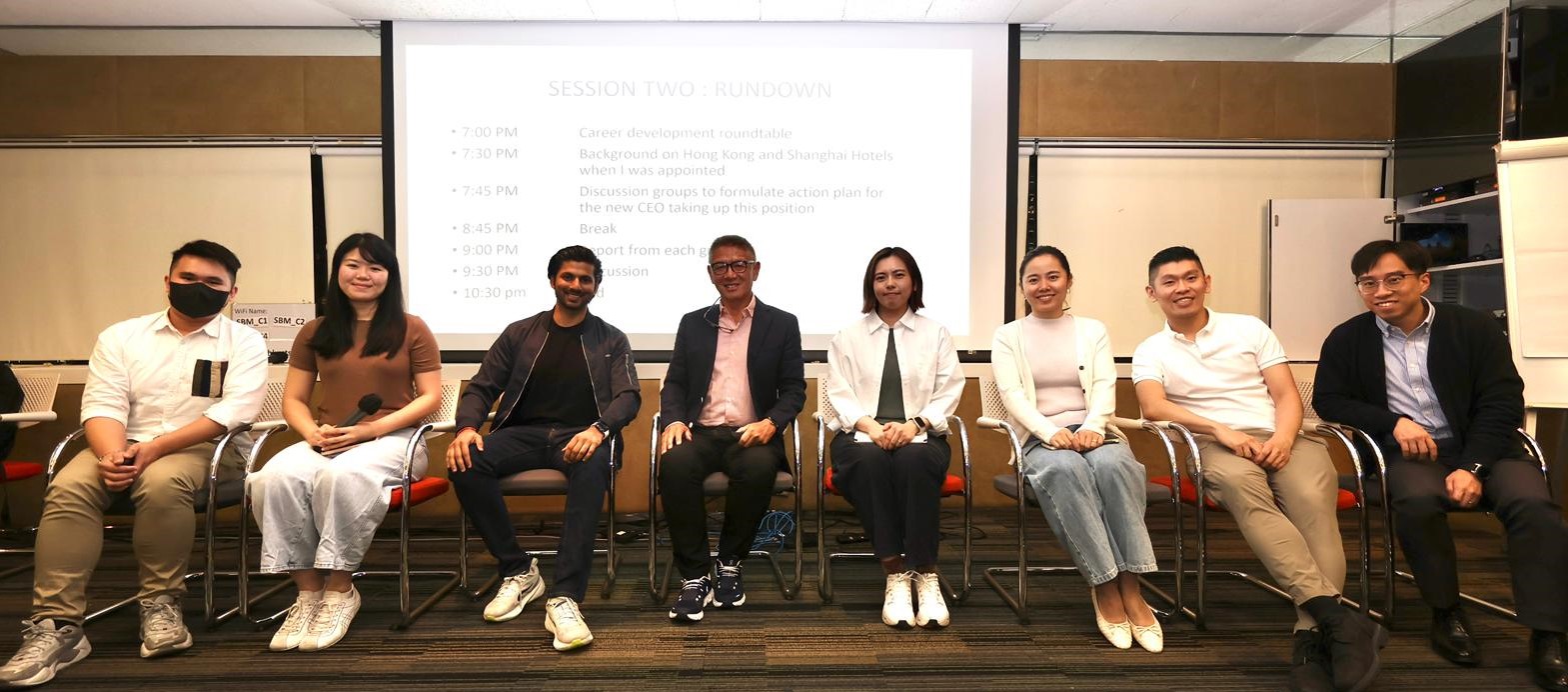
Rather than simply adding business knowledge to her toolkit, Ashley has applied her MBA learning to become a more effective leader at work. Today, she looks beyond technical solutions to understand stakeholder priorities, build alignment, and drive decisions that create broader impact.
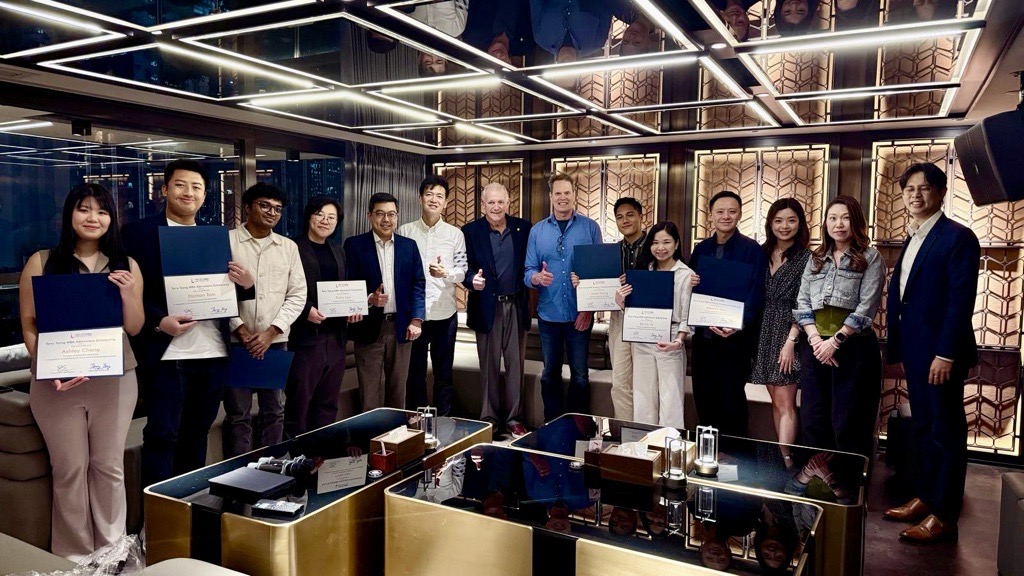
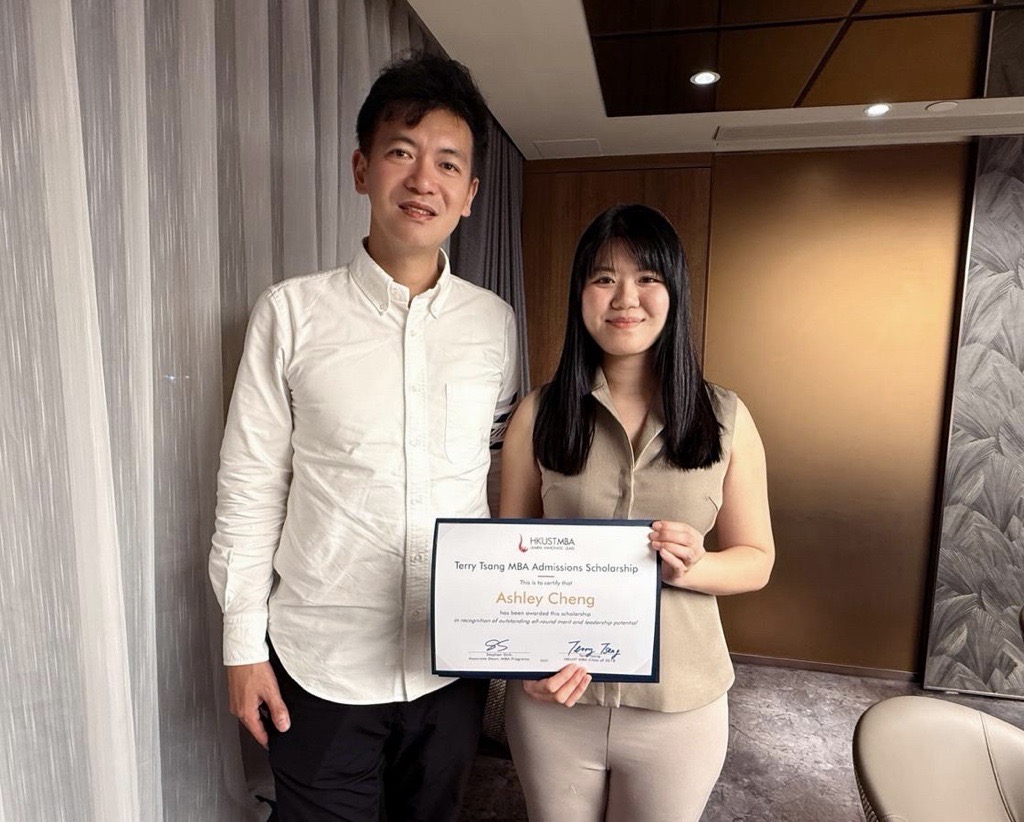
Her commitment to growth extends well beyond the workplace. Alongside a demanding career and MBA studies, she remains active in the Institution of Civil Engineers and other professional initiatives. This dedication was recognised through the Terry Tsang MBA Admission Scholarship.
This scholarship has encouraged me to continue striving for excellence in my professional and academic pursuits, while contributing positively to society, she said.
Ashley reflects the HKUST MBA spirit — using knowledge to advance careers as well as to create meaningful impact for others.
 |  |
Not a Career Change, But a Bigger Vision
For Ashley, the MBA was about broadening her perspective, strengthening her leadership capabilities, and creating greater impact in the profession she cares deeply about.
While engineering provided the technical expertise to tackle complex challenges, the MBA developed her ability to influence, communicate, and lead across diverse teams. These skills have become increasingly valuable in her work, where success depends as much on people as it does on technical solutions.
The MBA taught me that leadership is not about getting people to do what you want, she reflected. It is about bringing people together to help the team and the project succeed.