










Understand China Up Close
China is the world's largest economy by purchasing power, and it runs on its own logic. Its consumer market, supply chains and digital platforms move fast and reward people who know them first-hand. At HKUST, you sit where capital and trade flow in and out of China, a 14-minute high-speed train ride from Shenzhen, the country's technology centre. You learn from people who do business in China every day. You build the judgment to lead there and to connect it with global markets.
China Business Across the Curriculum
China is not a single elective at HKUST. It runs through the core courses and the electives. In the core, you learn the fundamentals of economics, finance, accounting, marketing and operations. Then you apply them to decisions that managers faced in China and across Asia.
Electives go deeper. Global Supply Chain Management considers issues directly related to China and Asia, the center of the world’s manufacturing centers. Global Leadership and Governance discusses situations not just in Western companies but in Chinese companies as well. Investment Banking covers Asian capital markets, cross-border M&A, and dual listings in Hong Kong and the Mainland
Many of these cases are written at HKUST. Our Thompson Center for Business Case Studies develops cases on Asian companies together with the executives involved, and business schools around the world teach them. HKUST cases cover companies such as DJI, which began in an HKUST dorm room and became the world's leading maker of civilian drones, as well as Lenovo and Tencent Music Entertainment.
Selected examples of companies discussed in recent classes:
Examples of Electives
Elective offerings change from year to year so we can offer the latest and most relevant topics.
Chinese Tech Companies’ in Global Markets: Strategy in the Age of Geopolitics and AI
How Chinese technology firms plan and adapt their global expansion, how they use AI, data and supply chains to enter foreign markets, and how they handle geopolitics, regulation and cultural difference.
Venture Capital Funds: From Formation to Exit — US and China
The full life of a venture fund, from raising it to closing it. You cover fund formation, portfolio management and incentives, and compare how venture ecosystems work in the US and China.
Economic Development in Asia: A Practitioner's Perspective
How state-led development has shaped Asia's economies. You analyse industrial policy, supply chain strategy and commercial opportunity, with a focus on Mainland China's changing role in the region.
Taught by People Who Have Done It
Our faculty combine executives who have built and run businesses in Greater China with researchers who study how China's business and economy works.
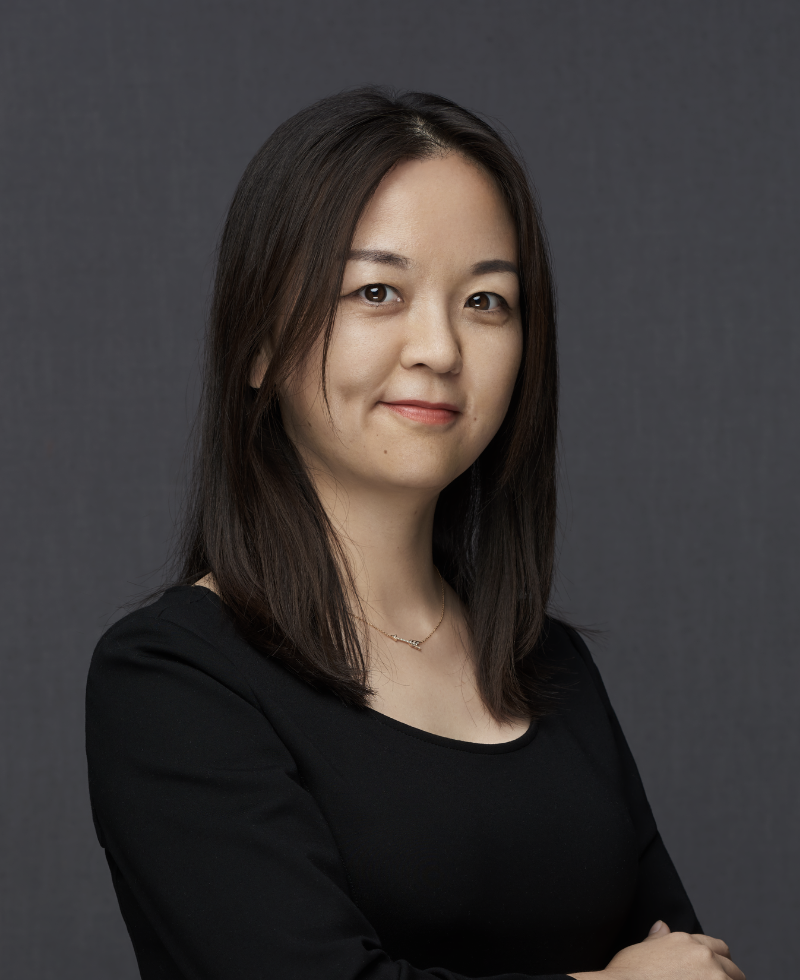
Prof. Zhaoli Meng
Department of Information Systems, Business Statistics and Operations Management
Former Chief Economist of Tencent Research Institute and Dean of JD Digital Technology Research Institute. She brings first-hand knowledge of platform competition, industrial AI and how China's digital ecosystems are governed.

Prof. Bo Tang
Department of Finance
Head of the HKUST Institute for Financial Research. He previously worked at Alibaba DAMO Academy and Luohan Academy. His research covers fintech, digital currencies and the digital economy.
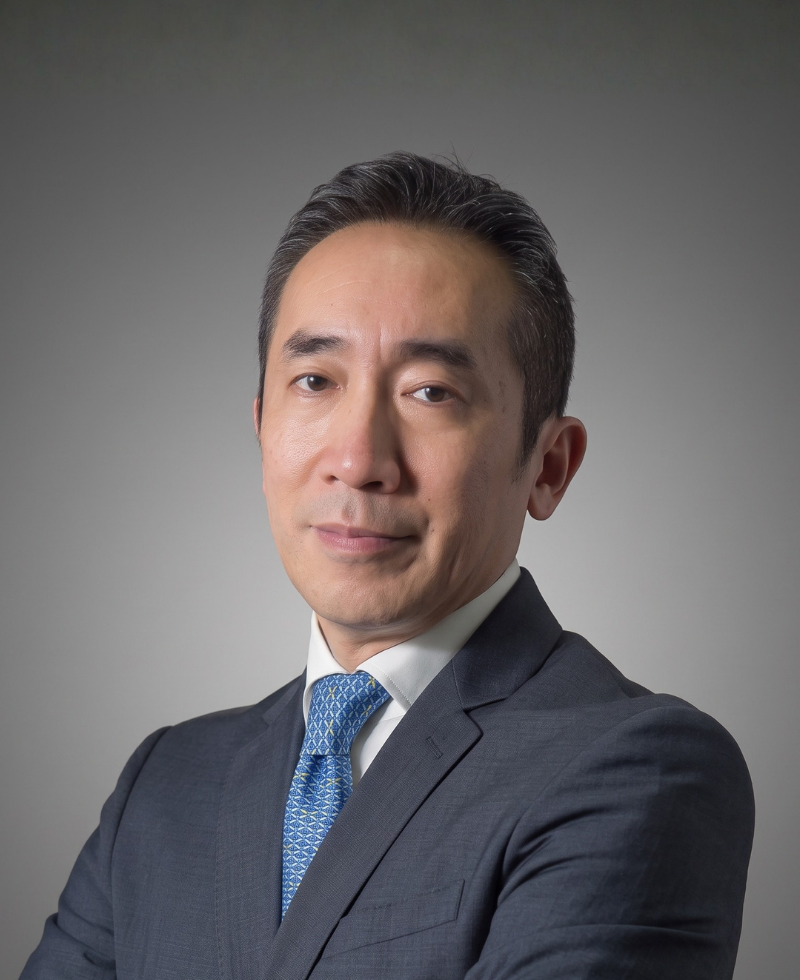
Prof. Dan Wong
Department of Management
Former Vice President at Nokia, General Manager of Innovation at MTR Corporation, and leader of Samsung’s software transition in China. As an entrepreneur and former Chief Executive Officer of Hangzhou AI startup Rokid, he has scaled ventures across Silicon Valley and Greater China, equipping students to navigate diverging global tech strategies.
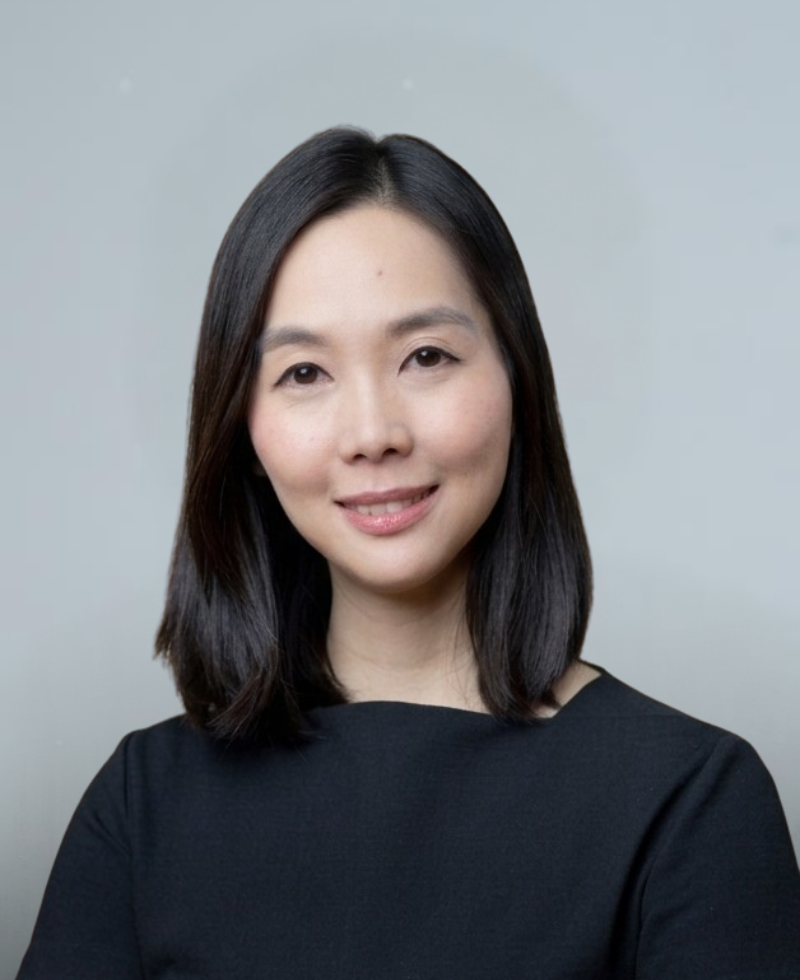
Prof. Leonie Foong
Department of Information Systems, Business Statistics and Operations Management
CEO of Overlook Investments, a Hong Kong investment firm focused on Asian equities since 1991. She teaches Value Investing: how to read a balance sheet, judge governance and stay disciplined through Asian market cycles.

Bill King
Senior Advisor & Adjunct Faculty
Former Chief Operating Officer of eBay China, General Manager of AT&T China and Partner at Egon Zehnder in Shanghai. He is an Independent Non-Executive Director of Digital China Holdings. He teaches from experience of market entry, turnarounds and leading teams in Mainland China.

Prof. James Zhang
Department of Finance
Co-founder and partner of Formation 8 and former Venture Partner at SoftBank China Venture Capital. He teaches cross-border venture capital, from term sheets to the valuation of high-growth Chinese technology companies.
Research Spotlight: How China's Digital Economy Works
Pricing on Ride-Sharing Platforms
Prof. Xuan Wang, Associate Professor of Operations Management, studies how platforms should price shared rides. Her paper with R. Zhang, Carpool services for ride-sharing platforms: Price and welfare implications, published in Naval Research Logistics in 2022, examines what carpool pricing means for riders, drivers and the platform itself.
Platform Governance and Ecosystem Design
Prof. Zhaoli Meng, Professor of Business Practice and Associate Director of the HKUST Center for Technology and Business Ecosystem, co-authored The Chinese Digital Economy with Tencent Chairman Pony Ma and colleagues. Her award-winning article in Harvard Business Review China argues that platforms should move from maximising their own profit to building ecosystems that share the gains with partners.
Digital Currency and China's Financial Infrastructure
Prof. Bo Tang, Head of the HKUST Institute for Financial Research and Adjunct Assistant Professor of Finance, is a key investigator in the Institute's Digital Currency and Digital Asset Research Initiative. His work examines the e-CNY, stablecoins and the cross-border payment systems that connect Mainland China with global markets.
AI Management of Delivery Workers
Prof. Brad Bitterly, Assistant Professor of Management, examines algorithmic management and worker trust in China's gig economy. His research, (Dis)trust in AI Management: The Role of Benevolence, surveys food delivery riders and investigates how perceptions of benevolence shape worker acceptance when platforms substitute human supervisors with AI algorithms.
Direct Access to China’s Industry Frontline
Our Career and Professional Development team and current MBA students organise company visits across the Greater Bay Area and other Mainland business hubs. Students meet company leaders, walk through operations and discuss strategy with the people who run the business.
Visits change every year and depend on company availability and student interests. Recent examples include:
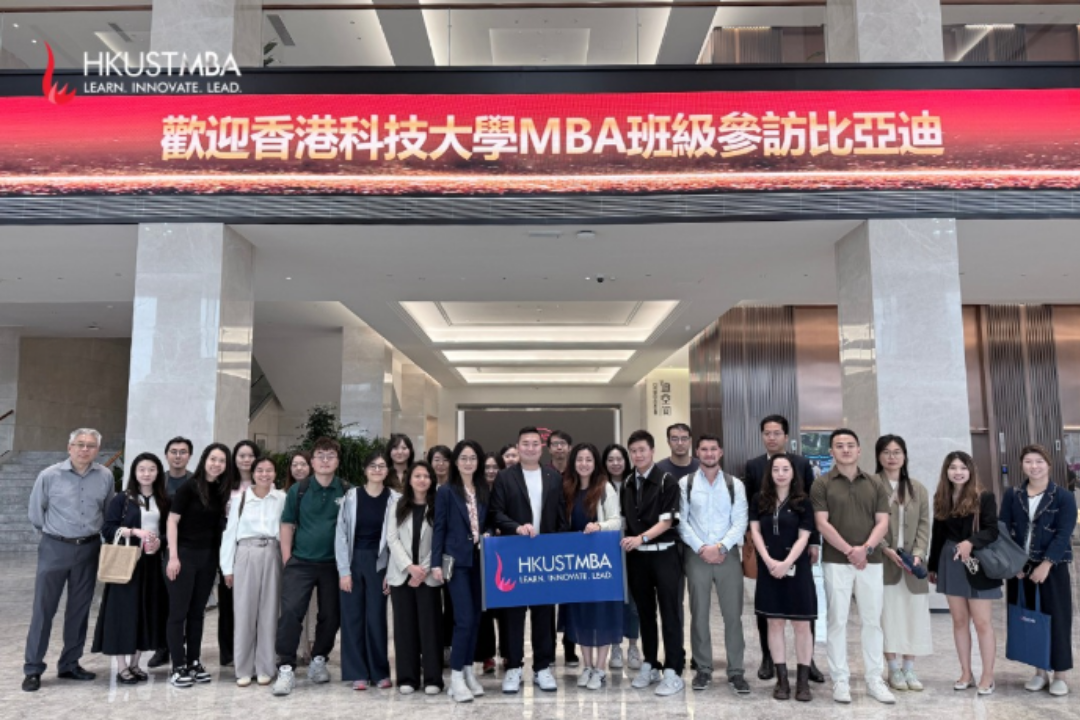
BYD Global Headquarters, Shenzhen
Students traced BYD's path from battery maker to one of the world's largest electric vehicle makers. They saw the Blade Battery and SkyShuttle up close and discussed how an early view of the future of mobility became disciplined execution.
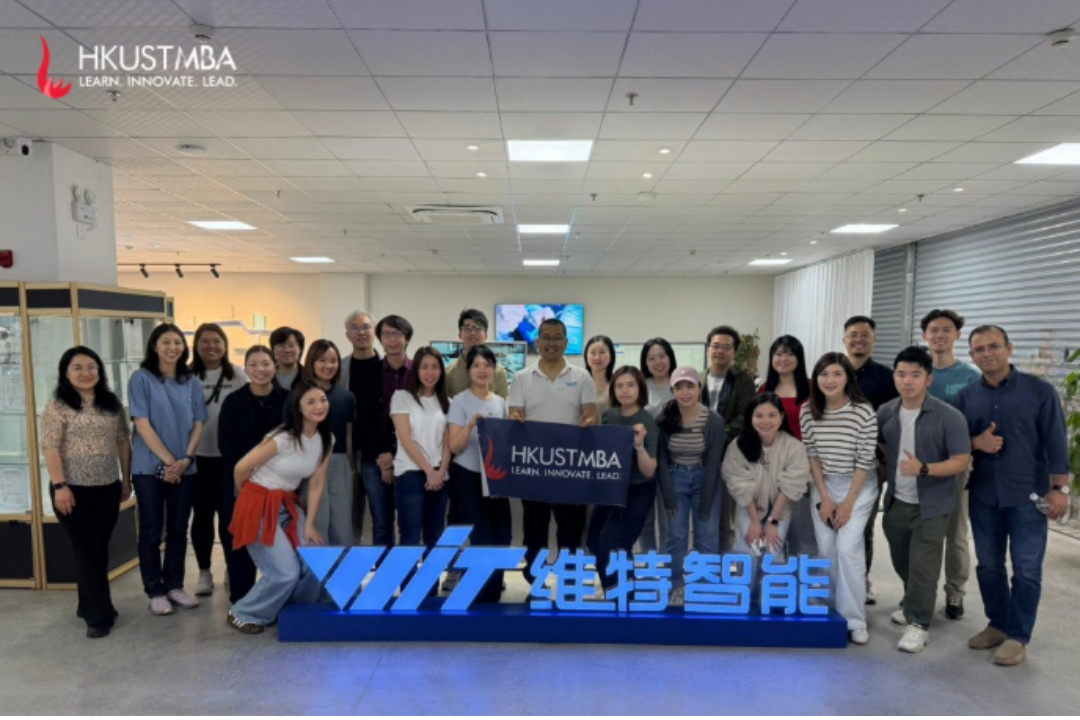
WitMotion, AI Hardware
Hosted by BiHong Zhu, CEO of WitMotion and a Part-Time Weekly MBA student from the 2025 intake. Students toured the factory, saw high-precision motion sensors in production and discussed how to scale a hardware business with a classmate who is doing it.
A Network Across China
You join a community of more than 6,900 HKUST MBA alumni working in companies, financial institutions and startups across Asia. In Mainland China, that network has places to meet and build.
- Mainland Alumni Communities: HKUST alumni chapters in Beijing, Shanghai, Shenzhen and Guangzhou, and the MBA Alumni Association Guangdong Chapter, run reunions, seminars and industry events through the year.
- HKUST Bluebay Incubator, Shenzhen: HKUST's incubation platform in Shenzhen has bases in Nanshan, Hetao and Qianhai. It gives HKUST founders one-stop support and a direct route to Shenzhen's supply chains, engineers and investors.
- Research and innovation platforms in the Greater Bay Area: These include the HKUST Shenzhen Research Institute, the Shenzhen-Hong Kong Collaborative Innovation Research Institute in Futian, the Fok Ying Tung Research Institute in Nansha, Guangzhou, and the HKUST Foshan Research Institute.
- HKUST Shanghai Center: Opened in January 2025 with the support of the Shanghai Municipal Government, it builds cooperation between Shanghai and Hong Kong in innovation and entrepreneurship.
- The Gobi Desert Challenge: HKUST MBA students and alumni take on the Xuanzang Road Business School Gobi Challenge together. It is a four-day, 121-kilometre race through the Gobi Desert near Dunhuang, run alongside teams from business schools across China.
From Hong Kong, you reach Mainland industry directly and stay connected to global finance.
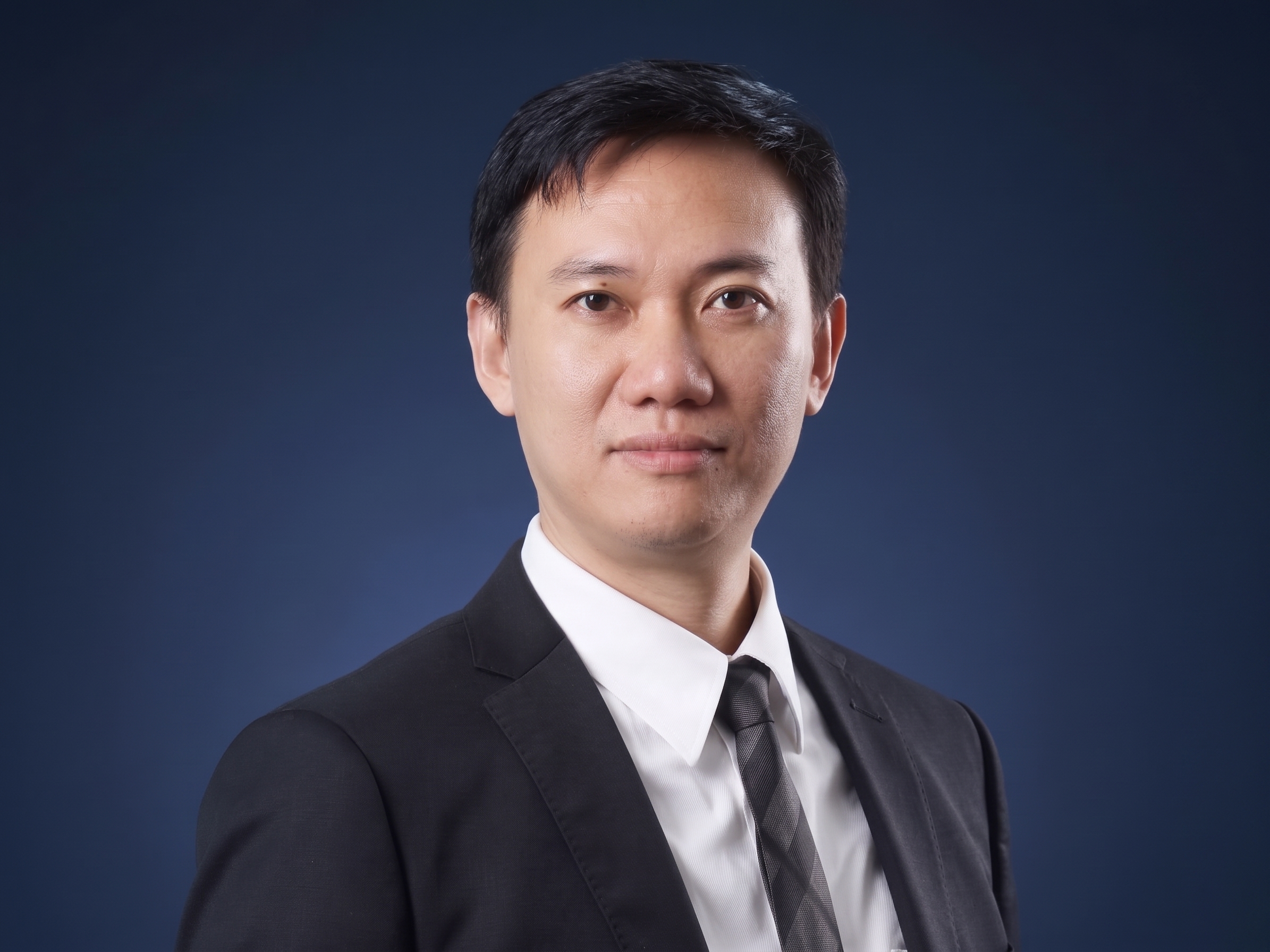
Eric Zhou
"HKUST is more than a place to learn. The surroundings pushed me out of my comfort zone and opened me up to more career possibilities by allowing me to exchange ideas with outstanding peers."
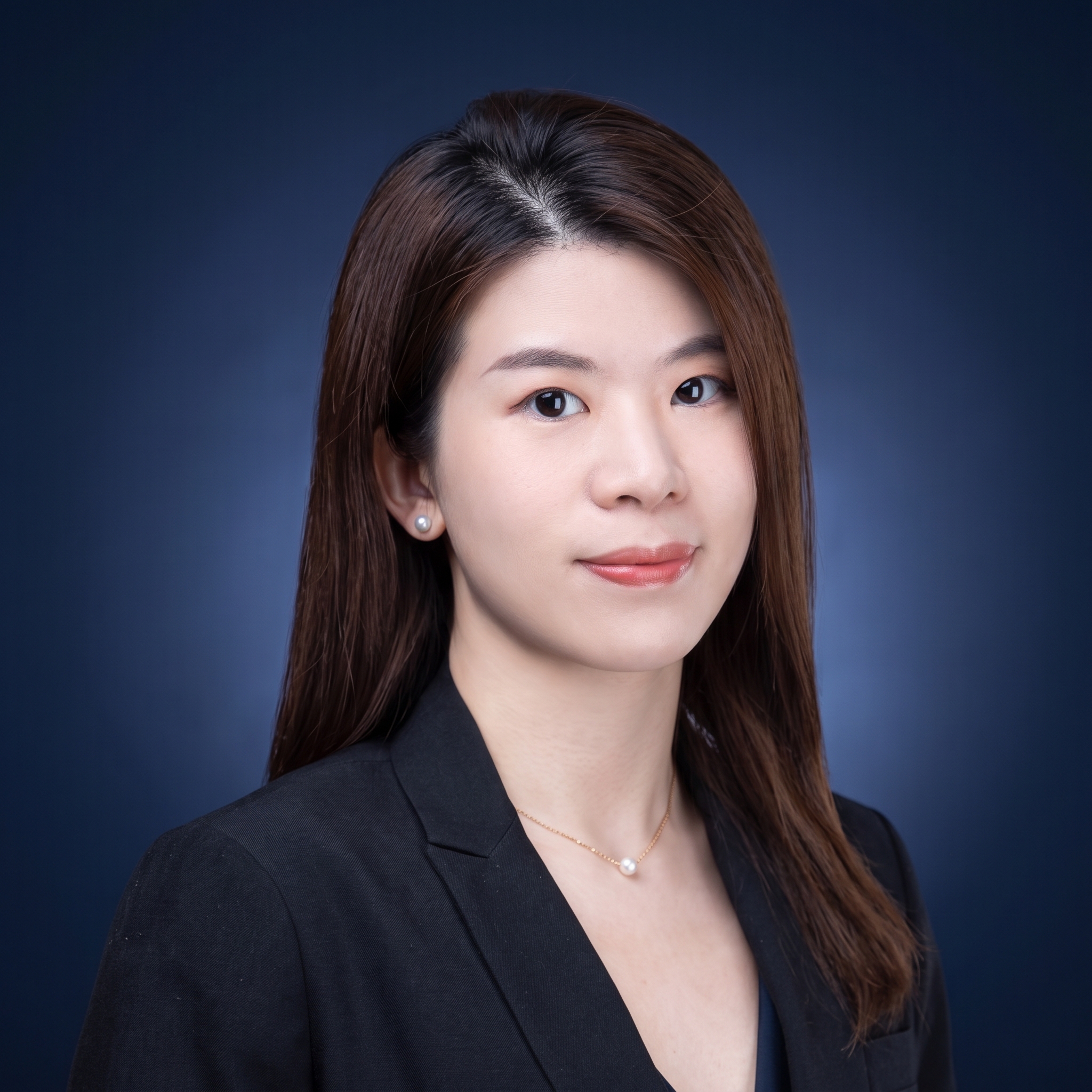
Scarlett Rong
"HKUST is famous for technology. I knew the program would enhance my knowledge in data analysis, AI, machine learning, and so on, which is the future for me."
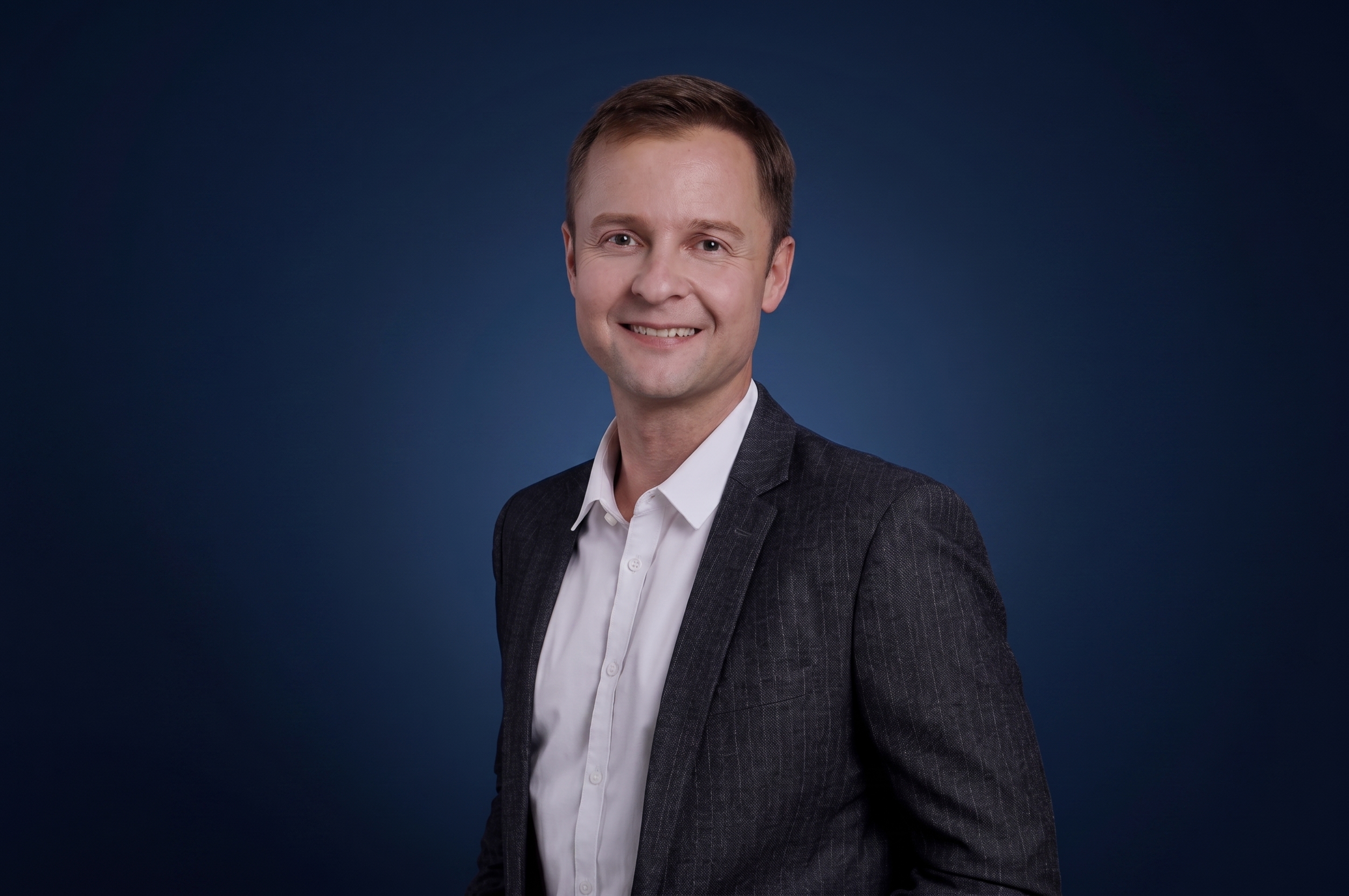
Chris Pereira
"The relationships that you develop, doing homework with your classmates, working on different projects, hearing what they’re doing in their careers. That opens up all kinds of new ideas"
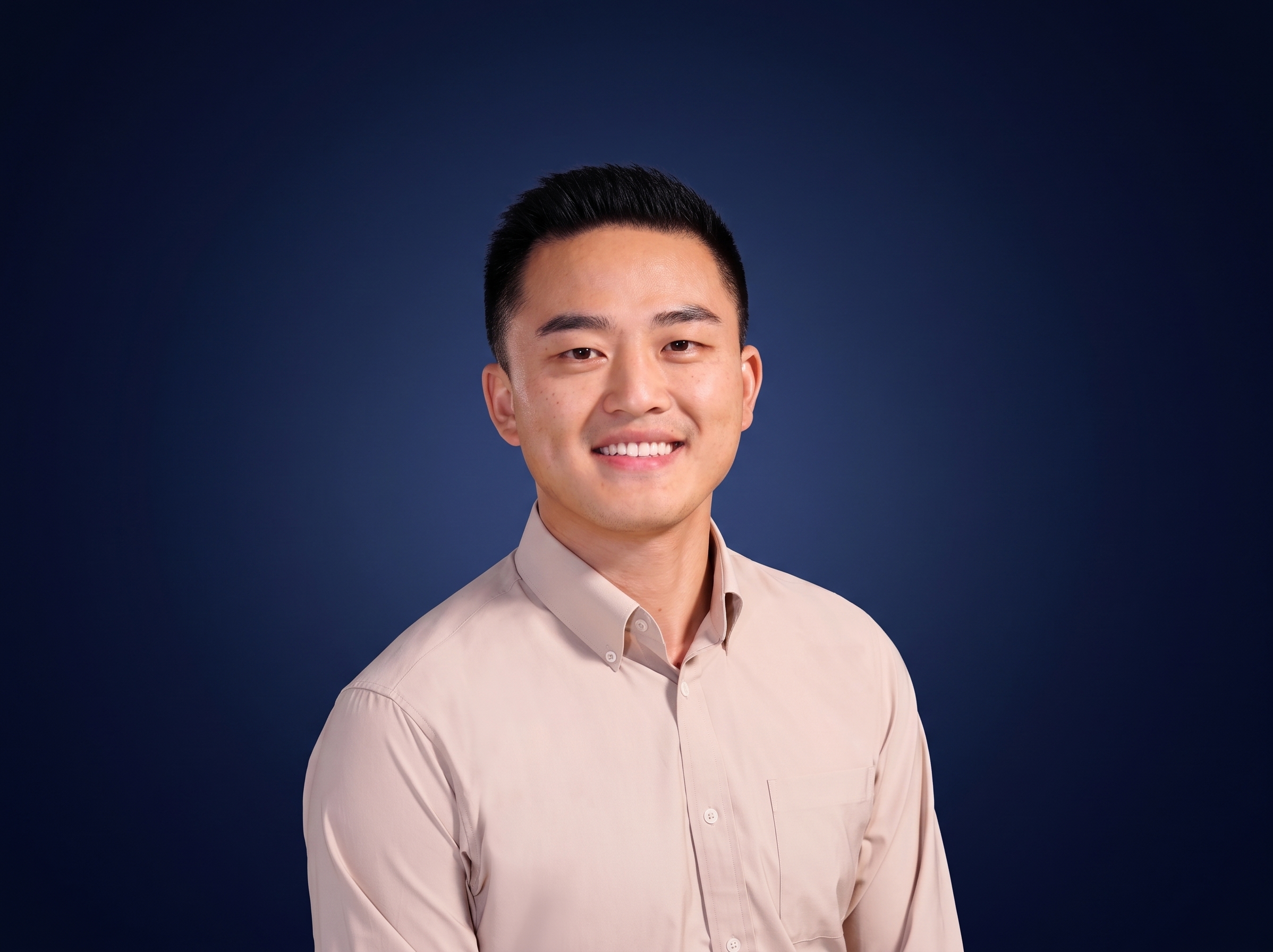
Conn Li
"The MBA pushed me to question whether I was choosing what was easy, or what was right in the long run."
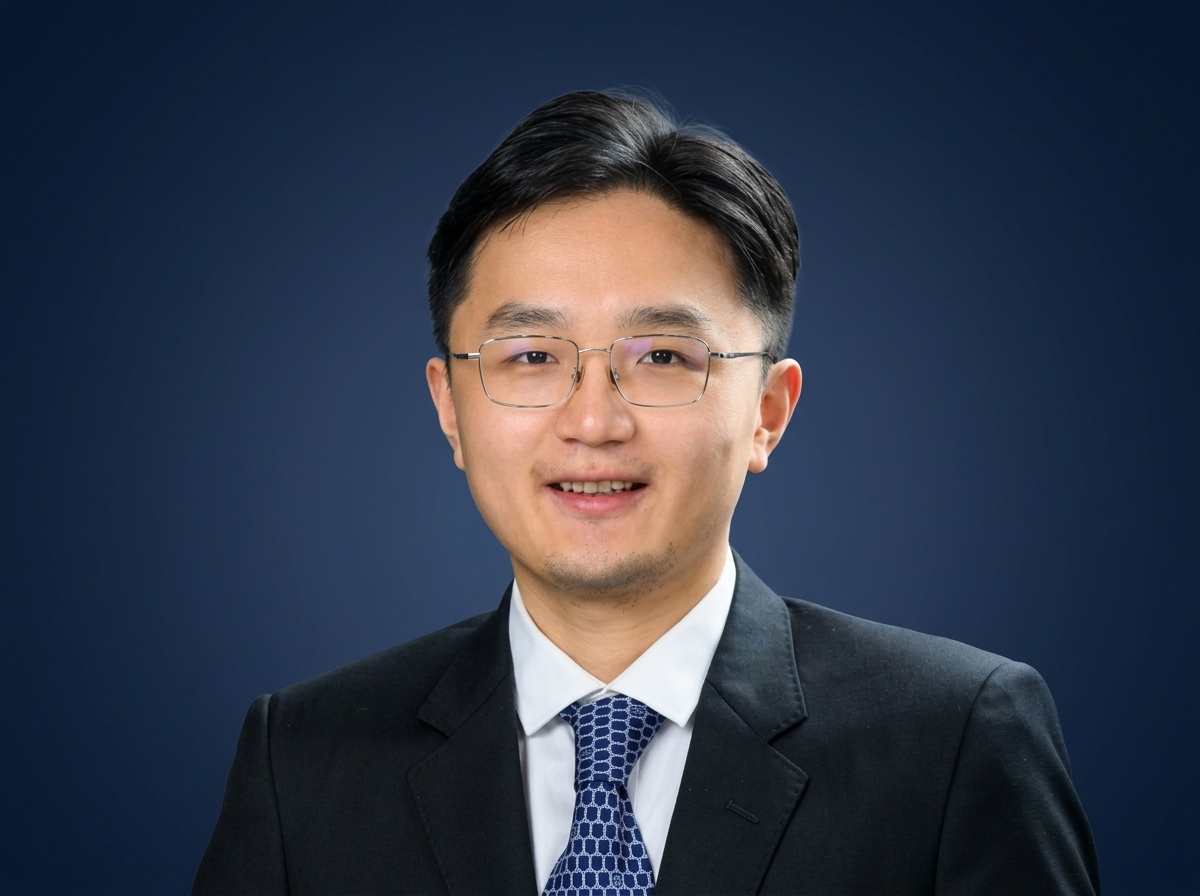
Zepei Chen
"Chinese companies are no longer just attracting global interest—they're stepping out into the world. I want to be the bridge—not just between companies, but between cultures and capital markets."
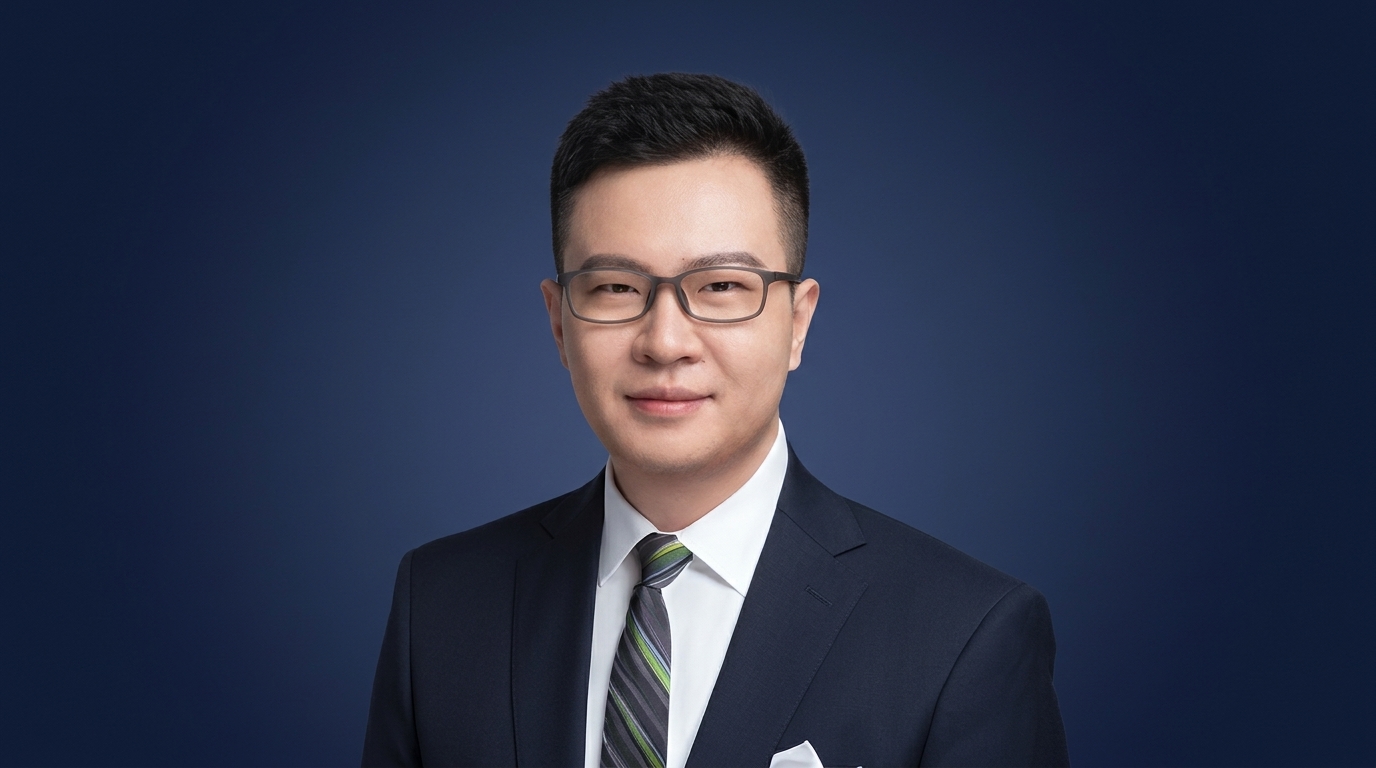
Ivan Xuebo Wang
"The HKUST MBA experience contributed immensely to my career switch. Changing locations to Hong Kong—where East meets West—allowed me to deepen my roots in the consulting sector."
The Cross-Border Cohort
Many of our Part-Time MBA students live and work in Mainland China. They travel in from Shenzhen and Guangzhou by high-speed rail, or fly from Shanghai and Beijing. They bring current problems from their own companies into class. Discussion reflects what is happening in the market now, not last year's case.
Our Part-Time MBA students drive strategy, technology, operations, and capital across leading Mainland market champions:
Build a Career Across Two Systems
International firms come to Hong Kong to reach China. Chinese firms come here to reach the world. An HKUST MBA puts you in the middle of both.
Hong Kong is part of the Guangdong-Hong Kong-Macao Greater Bay Area. The region has more than 87 million people and an economy of over US$2 trillion. It produces more than 11% of China's GDP on less than 1% of its land. Its Shenzhen-Hong Kong-Guangzhou cluster ranks first in the world in WIPO's Global Innovation Index 2026, for the second year running.
Hong Kong adds what the rest of the region does not have: common law, open capital markets and a global business culture. It is deeply integrated into the Greater Bay Area's supply chains, technology clusters, and talent networks, giving leaders the unique advantage of global governance backed by Mainland industrial scale.
Where Your MBA Meets the Market
Asia's offshore RMB and capital hub.
Hong Kong handles about three-quarters of the world's offshore RMB payments. The Hong Kong dollar is freely convertible. Stock Connect, Bond Connect and Wealth Management Connect give global investors direct access to Mainland markets.
Room to build next to Shenzhen.
The Northern Metropolis covers about 300 square kilometres, a third of Hong Kong's land. Inside it, the Hetao Hong Kong Park opened in December 2025, and more than 100 technology companies and institutions have signed leases. Across the border, Qianhai offers a 15% corporate tax rate to eligible firms.
Research that becomes business.
In an international financial, trade, and aviation center, ideas find immediate capital and global reach. Through the HK$10 billion RAISe+ Scheme and the Hong Kong Investment Corporation, university innovation is backed from lab to market. HKUST has won more RAISe+ projects than any other local institution, putting your MBA at the forefront of commercialized deep tech.
Shenzhen in 14 minutes.
High-speed trains run from West Kowloon to Futian in as little as 14 minutes and to Guangzhou South in under 50 minutes. Hong Kong and Mainland border checks are both done at West Kowloon. The Hong Kong-Zhuhai-Macao Bridge links the west side of the delta. Much of the region is a day trip.
Take the Next Step in Your Greater Bay Journey
Whether you are looking to actively establish your presence in Mainland China, build frontline business fluency in the region, or connect regional innovation to global capital markets, the HKUST MBA equips you with real-world judgment and an influential alumni network. Explore our tailored curriculum to plan your study journey, or start your application today to join our next cohort.