










The Leader the World Needs Next
Most people who join the HKUST MBA are already good at what they do. They have built strong careers as engineers, bankers, lawyers and marketers, and in dozens of other roles across business, government and not-for-profits. What brings them here is a desire to contribute more: moving from delivering their own work to shaping the future of their team, their department or their business. At that level, the questions cut across finance, operations, people, markets and technology, and no single area of expertise holds the full answer. That step has also changed. Teams now work across countries and cultures, much of the routine analysis is done by AI, and organizations need leaders who can bring different people together and make responsible decisions when there are no easy answers. This is the kind of leader we want our graduates to become, and the kind of leader we believe Asia and the wider world increasingly need.

How we think about leadership
HKUST was founded in 1991 on a conviction. The defining forces of this century would be Asia's rise and technology's transformation of business, and both would demand a new kind of leader. Thirty-five years on, that conviction reads less as a prediction than as a description of the present. The school itself was built that way. It grew from a bold idea into an institution that has collaborated with partners and diverse stakeholders around the world, and adapted through every turn of the past three decades. We ask the same of our students. We do not define leadership by a title or by the number of people supervised. We define it by the ability to collaborate with others to lead positive change, the personal conviction to act responsibly, and the judgment to decide well. It rests on five principles rooted in our MBA program's core values.
Understand how finance, operations, people and markets shape one another, and lead the enterprise, not just your part of it.
Take the harder road. Build businesses that enrich not just yourself, but your customers, your colleagues and the broader community. Build teams that do not just follow you, but commit to the mission and go beyond you.
Every leader is different, and there is no single manual. Each of our students learns to write their own: a leadership approach rooted in their values, adapted to their situation and built for the change they want to lead.
Stay committed to your mission, but be innovative in how you accomplish it. Question established methods and build new approaches where the old ones no longer fit.
Understand that decisions are processes more than moments in time. Learn from others, build alignment, decide confidently, and recognise that a decision is not truly made until it is implemented.
The five principles in practice
Our alumni have spent years living these principles. Our students are putting them to work every day. Hear it from them.

Marc Boelen began his career in finance in the Netherlands and went on to lead in apparel and sportswear across Asia and Australia. He is currently CEO of NAK Hair and was previously CEO of 2XU, a leading sportswear company, and is a graduate of our MBA Class of 2012. His advice to anyone stepping into leadership is to "keep an open mind and listen to people at all levels in the organization."
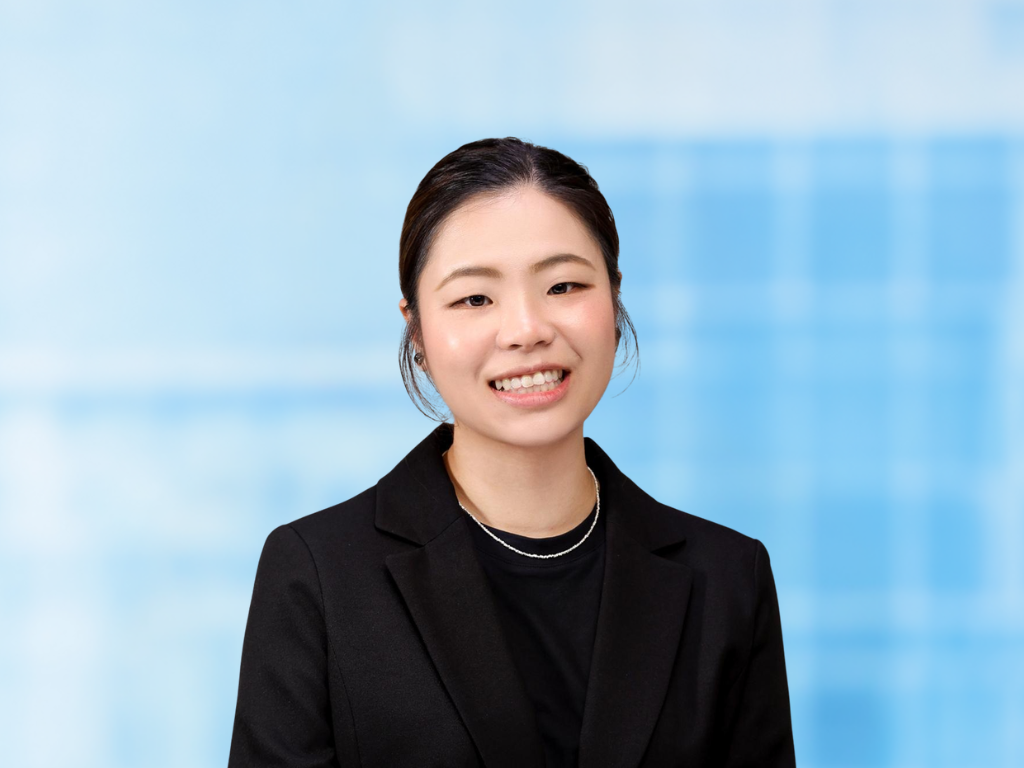
Janice Li, Deputy General Manager at Tamjai International and a student in our Part-Time Weekly MBA, is learning to make that shift from frontline instinct to enterprise thinking. "Before HKUST, so much of my decision-making came down to gut feeling. It is a natural habit in operations, but it is not persuasive when you are standing before senior management."

Alan Wang, Chair of Intel China and a graduate of our MBA Class of 2001, put it well when we spoke with him about leadership in the age of AI . "AI can help you work faster and think wider, but it can't decide your direction."

Troy Hu, a Senior Director at Accenture and a student in our Part-Time Bi-Weekly MBA, brings what he learns in class straight into his work. "The MBA helps me reshape my mindset with stronger methodologies for managing growth and delivering innovative solutions."
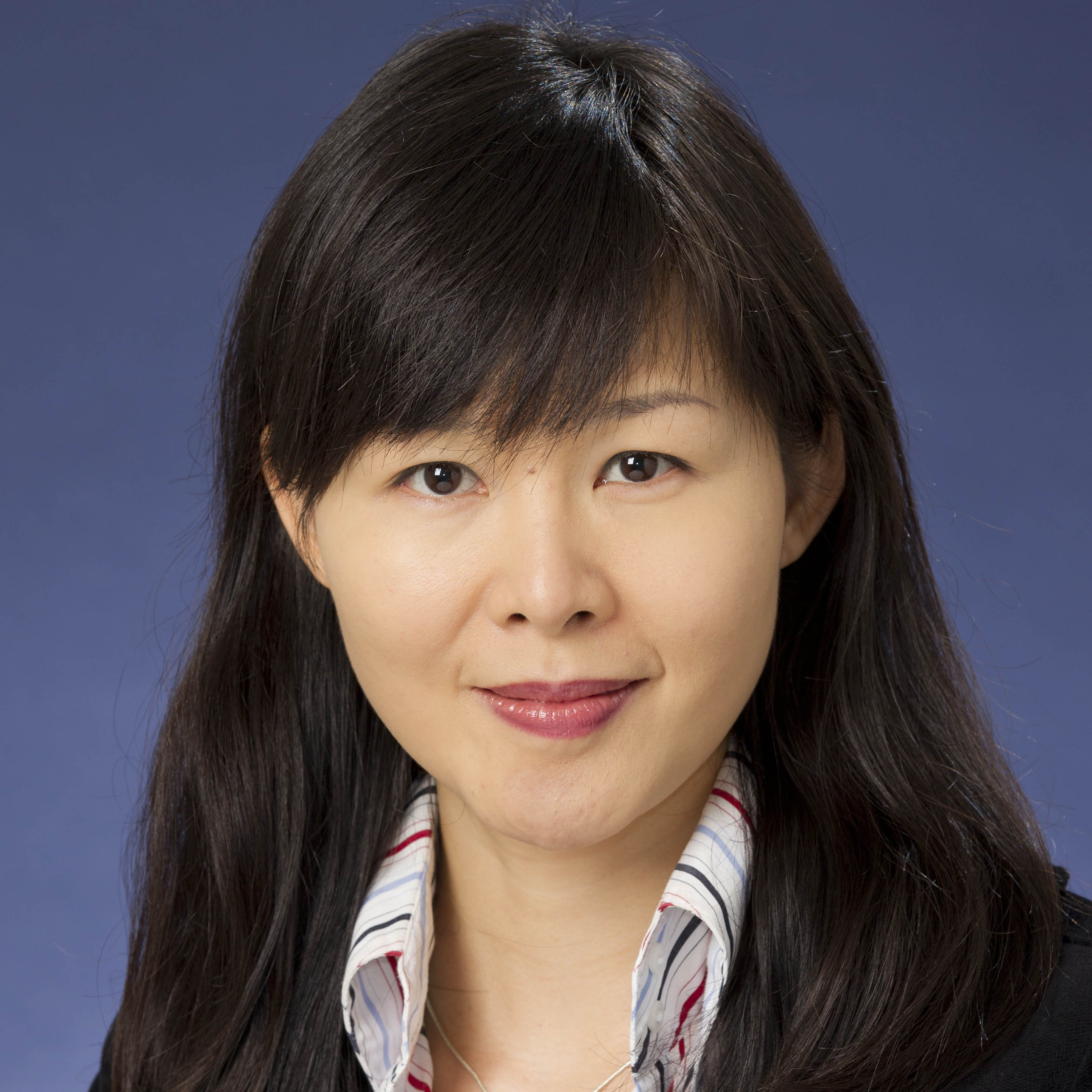
Winnie Wong, CEO and Executive Director of Asia Insurance and Avo Insurance and a graduate of our Part-Time MBA, has built her leadership on fairness and trust. "I've found that if people enjoy working with you, they will stay and be ready to contribute more than 100%."
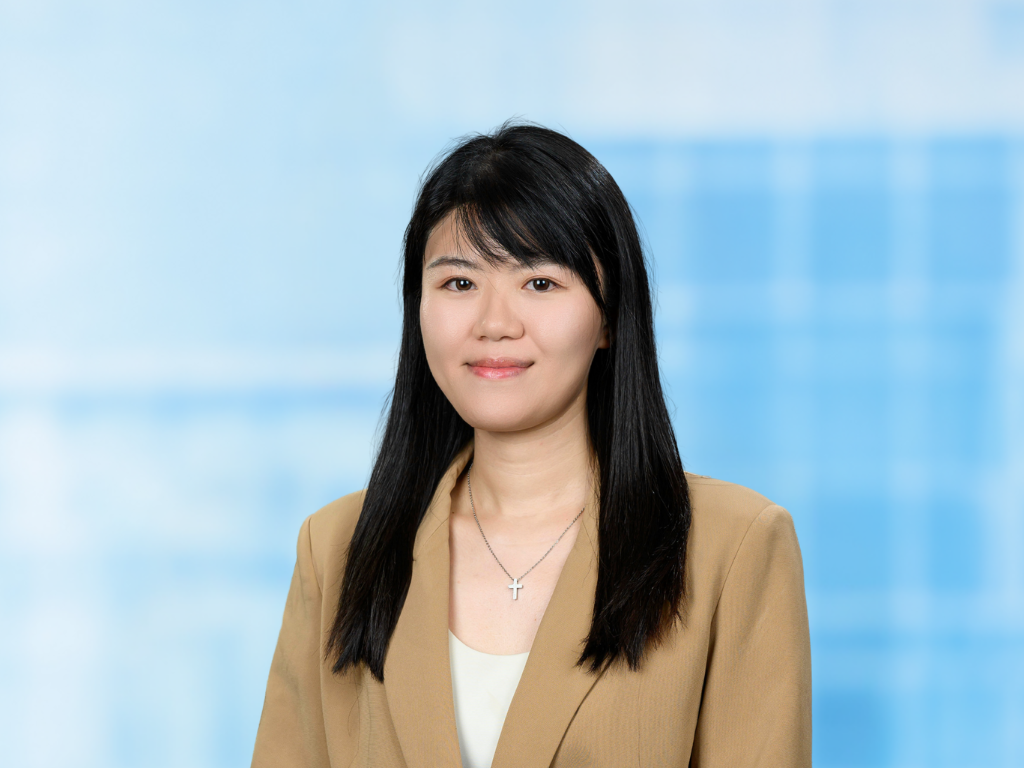
Ashley Cheng, a chartered civil engineer in our Part-Time Weekly MBA, came to the program more at ease analysing problems than voicing her views. Through boardroom simulations led by Clement Kwok, former CEO of Hongkong and Shanghai Hotels, she found her own definition of leadership. "The MBA taught me that leadership is not about getting people to do what you want. It is about bringing people together to help the team and the project succeed."

Stone Shi, Chief Executive of Mayborn Group, the parent company of Tommee Tippee, puts focus at the heart of every decision. "If you try to focus on everything, you create activity, rather than momentum. You have to decide what really matters and give it your full focus."
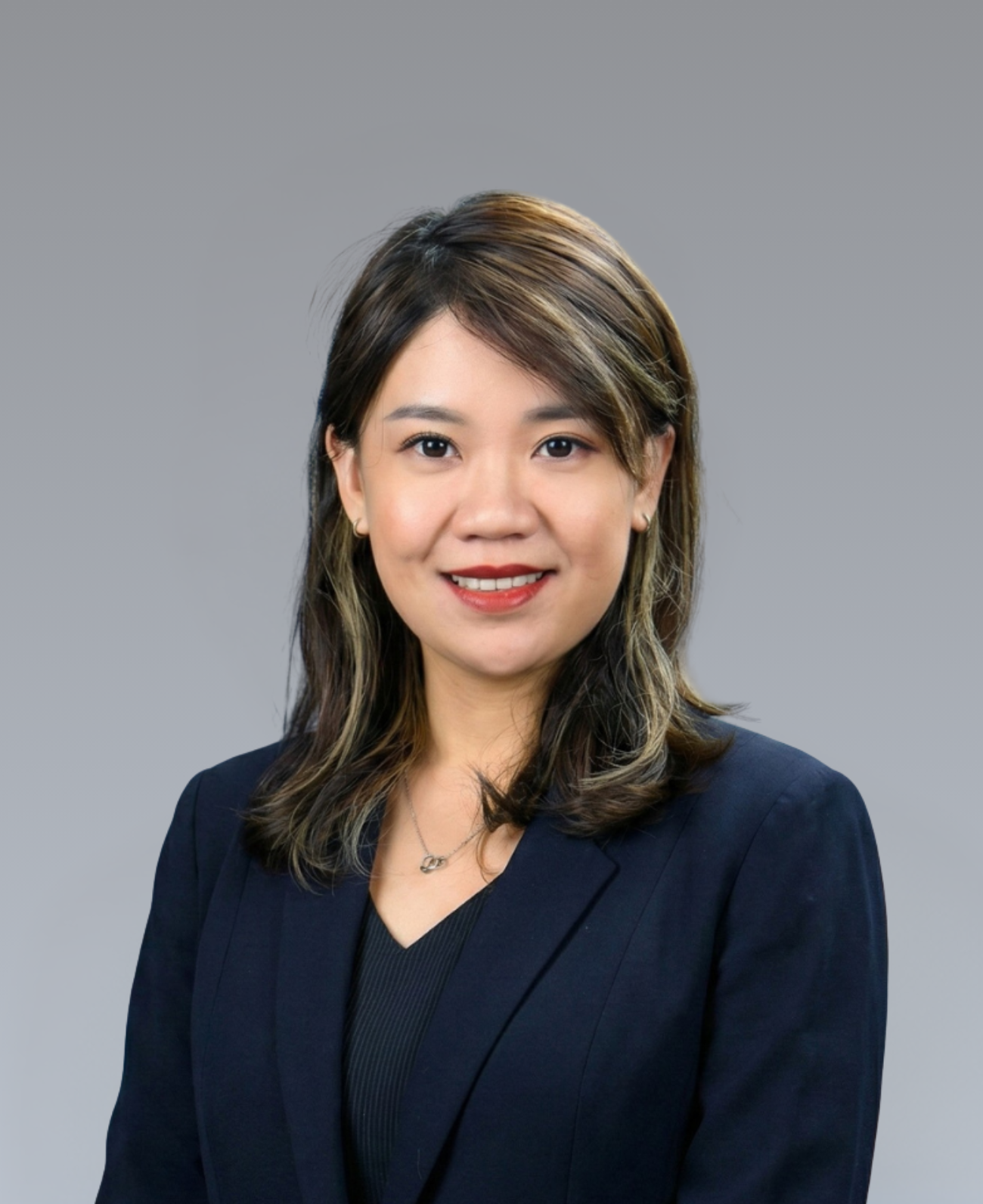
Carmen Li, who joined our Full-Time MBA from a career in IP law, learned the same lesson from the other side, and she transitioned her job function to business and finance now in a biotech company. "Law teaches you to minimize risk. Business asks you to take it."
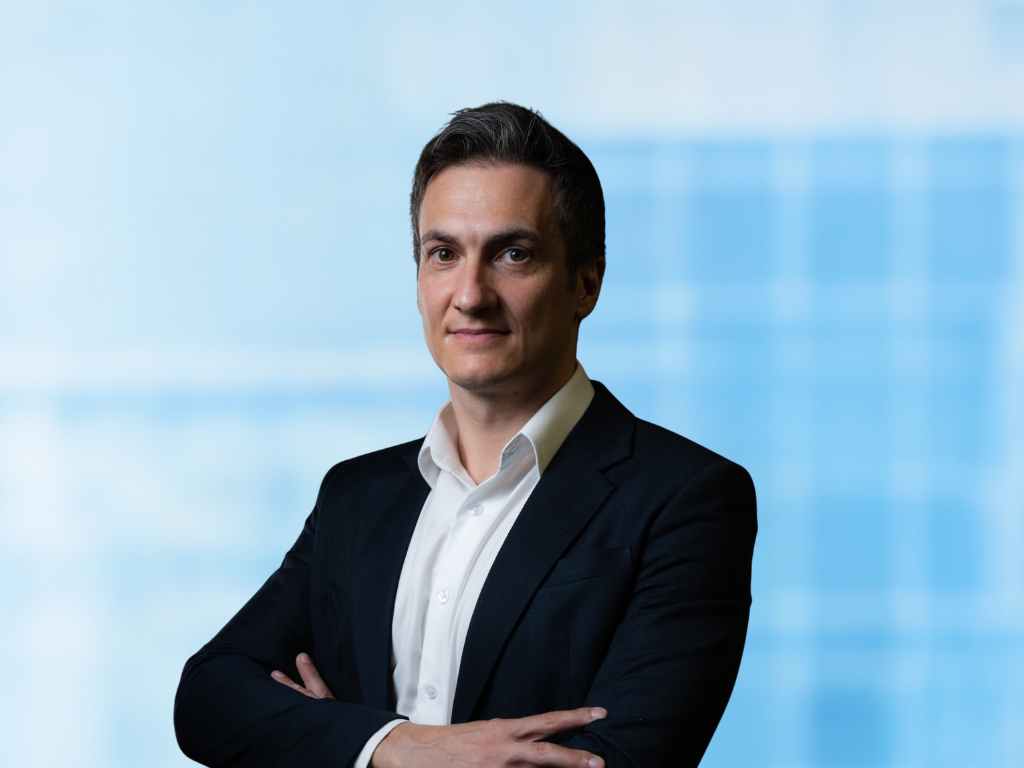
Giovanni Zangani, founder of Maestro Equity Partners and a graduate of our MBA Class of 2013, learned that his edge would never come from competing on everyone else's terms. "If I imagine myself as a product, that's like putting myself on a supermarket shelf and trying to compete with everyone else on the same criteria. A different approach would be to understand what is distinctive about being Italian, about my culture, my experiences and my values, and put myself in the specialty store instead."

Steven Lyu, now CFO of HK Express and a graduate of our MBA Class of 2025, remembers the moment the program turned strategy back on the students themselves. "The program forced us to make a strategy case on ourselves, questioning our market value, our goals, and how we position ourselves."
"The real breakthrough comes from redesigning workflows, not simply automating isolated tasks. Humans should focus on judgment, creativity, relationships, negotiation, and leadership, while AI takes on work that can be reliably automated."

How we cultivate these principles
A philosophy is only as strong as the practice behind it.
- To think like a CEO, our core curriculum spans finance, accounting, operations, marketing and strategy, and around two-thirds of our courses are led by faculty with significant industry experience.
- To innovate with purpose, you learn through cases drawn from real companies, debated with a cohort that rarely agrees, and tested further through student-initiated events, Executive Exchange speaker sessions, and global learning opportunities across our international partner network.
- To lead with care, our Responsible Leadership course places you inside decisions where profit, technology and human consequence collide, while you work in study groups that span industries, countries and career stages, and join an alumni community that stays open for life.
- To decide for impact, you use case study discussions, simulations, role plays and other innovative teaching methods to practice making decisions in a low-risk environment—getting your repetitions in before the stakes are real.
- To write your own manual, you shape a flexible program where the majority of credits are electives tailored to your goals, supported by optional one-on-one sessions with experienced executive coaches to assess where you stand, clarify what you value and plan your next move.
What kind of leader will you become?
After a decade in marketing and communications advancing into middle management, Alice Wong paused as she set her sights on senior leadership to ask herself a question most people defer. "I asked myself what kind of leader I want to be at 50."
Markets, technology and teams will keep changing. What organizations need from their leaders will not. They need people who think like a CEO, innovate with purpose, lead with care, decide for impact and write their own manual. Dean Frederik Anseel describes HKUST Business School as curious by nature, ambitious in spirit, and never content with standing still. Since our founding, our mission has been to develop business leaders in Asia for the world. We would like the next one to be you.

Take the Next Step in Your Leadership Journey
Stepping from functional excellence into enterprise leadership takes more than technical skill—it takes the perspective to connect disciplines, the conviction to lead with care, and the judgment to make decisions that matter. Whether you are ready to write your own leadership manual or want to see how our courses, cases, and executive coaching prepare you for what comes next, your journey starts here.